How Somic is reducing manual work, minimizing human errors, and building a more scalable approach to Intune-based customer management.
For MSPs, growth often creates a familiar challenge: the more customer environments you manage, the harder it becomes to maintain quality, consistency, and control without adding more administrative workload.
For Somic, this was one of the key reasons for adopting Plentics.
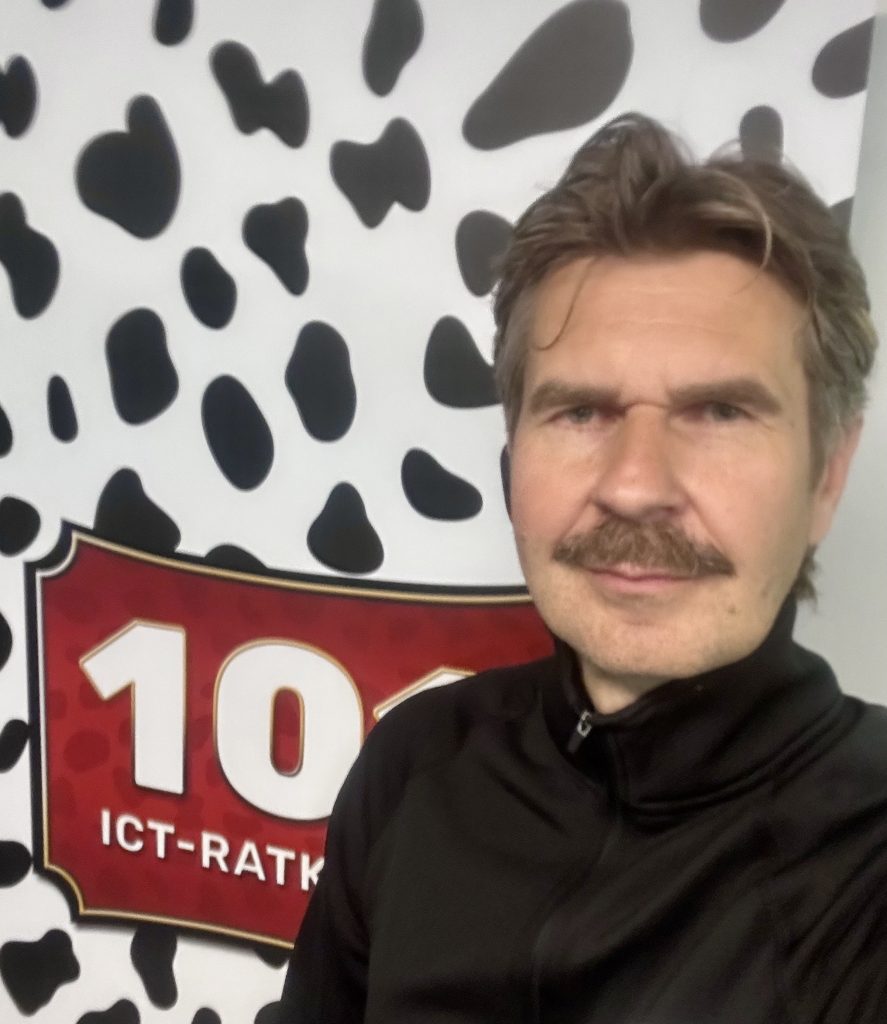
“We wanted to standardize Microsoft customer environments and the way we monitor them,” says Markus Torkki, CEO of Somic Oy.
That need sits at the center of Plentics’ product value: helping MSPs manage more customers with the same administrative capacity, while reducing routine work and improving the consistency of service delivery.
From approaching environments individually to standardized management
Microsoft Intune gives MSPs a strong foundation for modern endpoint management. But when the number of customer tenants grows, managing each environment separately can quickly become inefficient.
Somic wanted a more standardized way to manage and monitor its Microsoft-based customer environments. Instead of relying on manual routines and environment-specific processes, the company was looking for a more controlled operating model.
Plentics supports this by giving MSPs a multitenant layer for Intune-based endpoint and tenant management. It helps standardize configurations, improve visibility, and reduce the need to repeat the same administrative work across separate customer environments.
For Somic, this has created a clearer and more scalable foundation for service delivery.
Less human error, faster response
According to Torkki, one of the most concrete changes has been the reduction of human errors.
“Human errors have decreased, and response has become faster,” he says.
This is where Plentics’ user value becomes visible in everyday MSP operations. When recurring tasks are standardized and managed through a consistent productized model, there is less room for manual mistakes. Admins do not need to rebuild the same logic tenant by tenant or rely on memory, individual habits, or fragmented documentation.
For an MSP, this matters commercially as well. Fewer manual errors can mean less rework, fewer avoidable support situations, and more predictable service quality. It also supports employee experience: when routine tasks become lighter, admins can spend more time on work that requires expertise and judgment.
That is an important part of the Plentics value proposition. The goal is not only to save time, but to redirect skilled people away from repetitive maintenance and toward higher-value customer work.
One managed system instead of scattered administration
When asked what has been the most valuable or surprising benefit of using Plentics , Torkki points to controlled system management.
“With one system, we can reduce the administration of the systems we use,” he says.
This reflects a core business value of Plentics: simplifying multitenant management. Instead of treating every customer environment as a separate operational island, MSPs can move toward a more unified way of working.
For Somic, the value is not just visibility. It is the ability to manage customer environments in a more controlled and repeatable way. That supports standardized onboarding, standardized maintenance, and a clearer service model.
Better control, without adding complexity for the end customer
For Somic, the value of Plentics is not only internal efficiency. It also strengthens the service experience Somic can provide to its own customers.
“Plentics helps us keep our customers’ Microsoft environments secure, standardized, and under control. This means fewer risks, faster response times, and a better overall service experience, without customers needing to worry about the technical details behind the scenes,” says Torkki.
This is an important part of the Plentics value for MSPs. The product helps make Microsoft environment management more consistent and proactive, while keeping the complexity behind the scenes. For the end customer, the result is a more reliable service experience and clearer confidence that their environment is being managed with control.
Enabling scalable growth without sacrificing quality
Torkki describes Plentics’ role in Somic’s growth and service development clearly:
“It speeds up management and provides information that enables business growth as well as the development of customer-specific quality.”
This is a strong product value statement. Plentics is not only helping with operational efficiency. It is helping Somic create better conditions for growth.
For MSPs, growth is not only about winning more customers. It is about being able to serve more customers without letting quality, control, or employee workload suffer. Plentics supports this by helping MSPs manage more end-customer environments with the same administrative foundation.
That creates value in three practical ways.
It supports cost savings and scalability. When routine work is reduced and customer environments are managed more consistently, MSPs can increase capacity without immediately increasing admin headcount.
It supports standardized onboarding and management. New and existing customer environments can be brought closer to a common operating model, making service delivery easier to control.
It supports service productization. A standardized Intune-based delivery model is easier to define, repeat, improve, and communicate to customers.
A stronger operating model for Intune-centric MSPs
Somic’s experience highlights a practical reality for MSPs working around Microsoft Intune: the value is not only in managing endpoints. The real value comes from managing many customer environments in a consistent, scalable, and visible way.
Plentics helps MSPs move from manual tenant-by-tenant administration toward productized multitenant operations. For Somic, that has meant fewer human errors, faster response, reduced administration, and better support for business growth.
In Torkki’s words, Plentics helps by speeding up management and providing the information needed to grow the business and improve customer-specific quality.
For MSPs looking to scale their Intune-based services, that is the central point: growth becomes more sustainable when daily operations are standardized, automated, and managed through one clear operating model.